

FAI Water Quality Study
A farmer-led approach to water quality monitoring, testing whether putting measurement directly in farmers' hands changes how farms are managed.
Reading fish behaviour as an early-warning signal — and training farmers to read it too.
Stress in tilapia systems was typically detected once it had already become a health or mortality problem. Behavioural cues that precede it were not systematically linked to the environmental and handling factors driving them.
Implemented with the University of Stirling Institute of Aquaculture, the British Council and Kafr El-Sheikh University, the project focused on understanding and improving behavioural responses of tilapia to reduce stress and enhance welfare. AQUAVET designed and executed behaviour-based field surveys, linking behavioural cues to the environmental and handling factors that influence fish health.
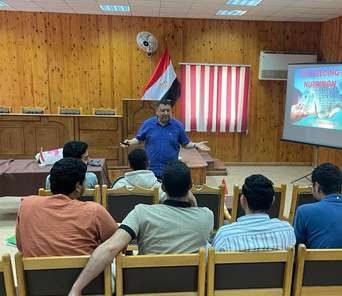
The project introduced new welfare monitoring protocols, trained farmers in interpreting behavioural indicators, and helped establish behaviour-driven management practices that support more sustainable and productive tilapia farming systems across Egypt.
Gallery


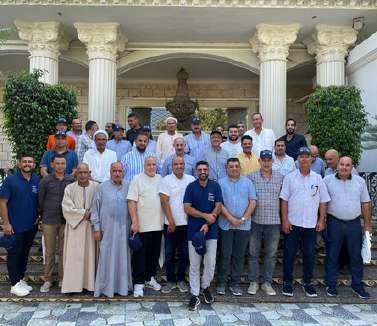
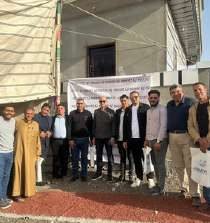
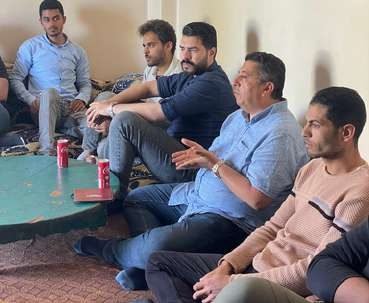
Photography from AQUAVET field and training activity.
More projects
A farmer-led approach to water quality monitoring, testing whether putting measurement directly in farmers' hands changes how farms are managed.
Mapping the structure and challenges of Egypt’s aquaculture value chains — from producer to consumer — across four governorates.
Egypt’s first digital tool for assessing and tracking tilapia welfare indicators on farms.
Get in touch
We design and deliver field studies, welfare assessments, training programmes and water quality interventions with commercial and institutional partners.